Barbie is expanding what representation looks like on toy shelves — and who gets to see themselves reflected in play.
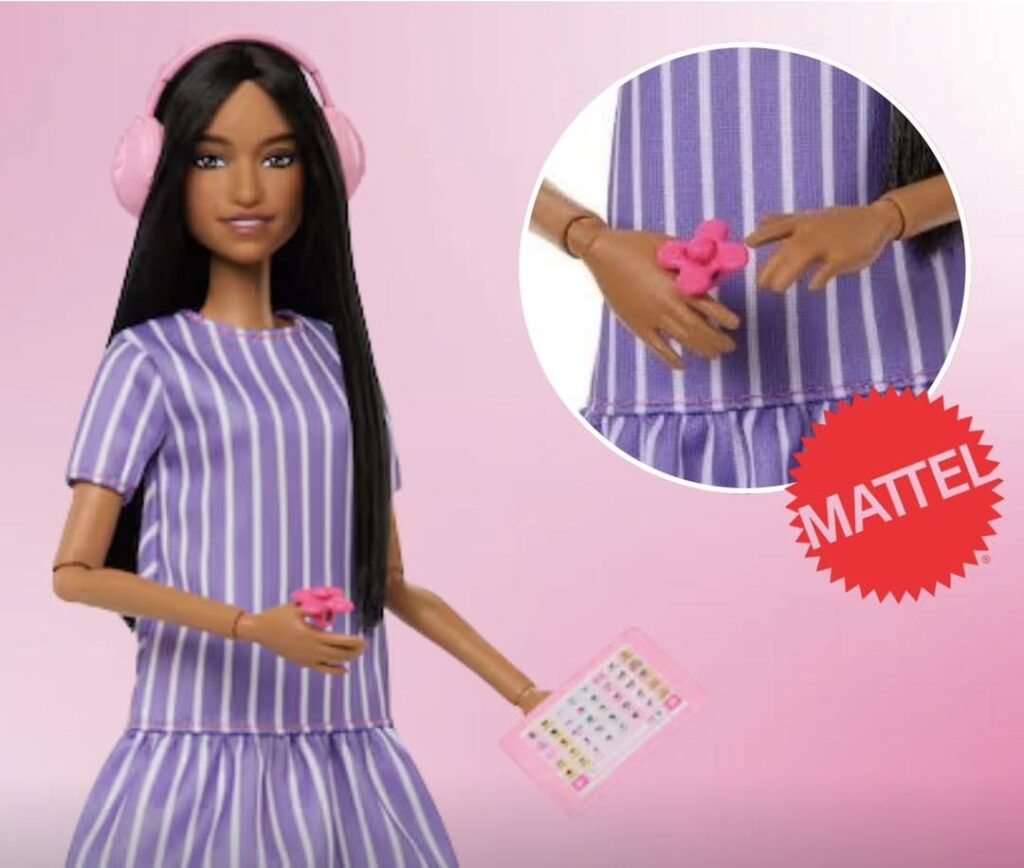
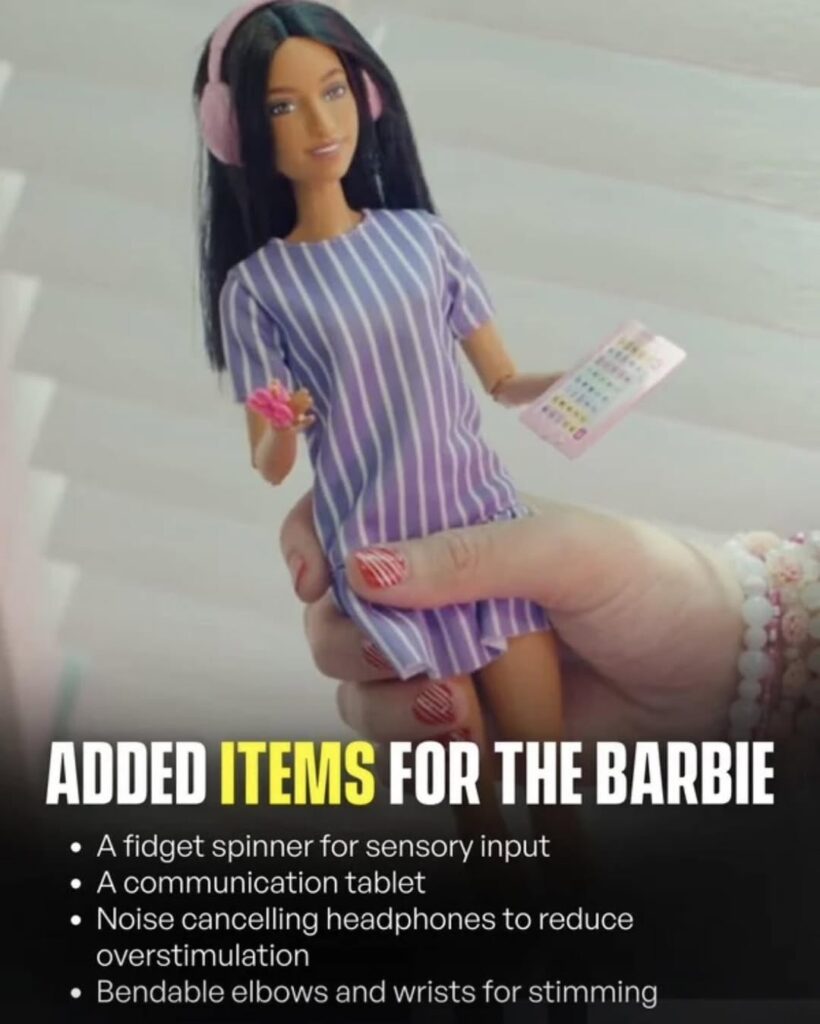
This week, Barbie introduced its first autistic Barbie, developed in collaboration with the Autistic Self Advocacy Network (ASAN) to ensure the design reflects real experiences rather than stereotypes. The doll includes thoughtful sensory and communication features, such as a finger-clip fidget, noise-canceling headphones, and a symbol-based AAC tablet, tools commonly used by autistic individuals to navigate everyday environments.
Beyond accessories, the design choices are intentional. Bendable elbows and wrists allow for stimming movements, while the outfit prioritizes comfort and softer textures — a nod to sensory sensitivities often overlooked in mainstream products. Each detail signals a shift toward inclusion that goes beyond aesthetics and into lived reality.
For decades, toys have played a powerful role in shaping how children understand the world and their place within it. Advocates say representation like this matters not only for autistic children who rarely see themselves reflected, but also for their peers — helping normalize neurodiversity from an early age.
This release marks another step in Barbie’s ongoing effort to broaden its universe, acknowledging that there is no single way to think, communicate, or experience the world — and that all of it belongs.
Source: @pubity