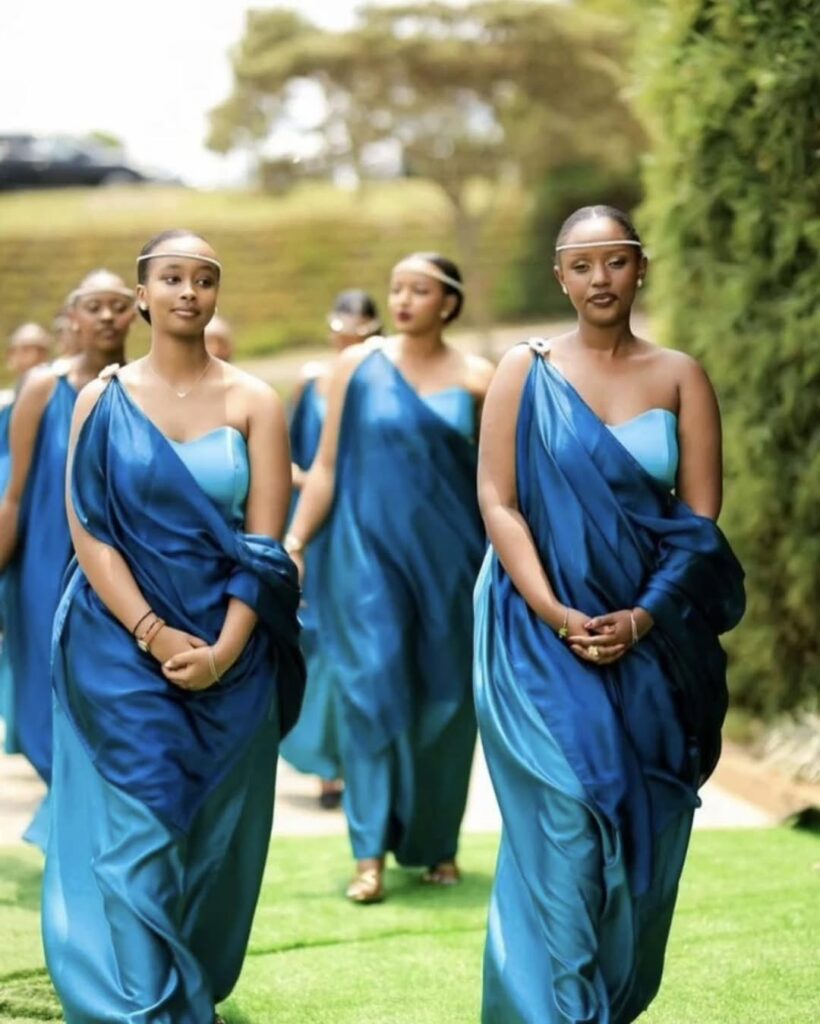
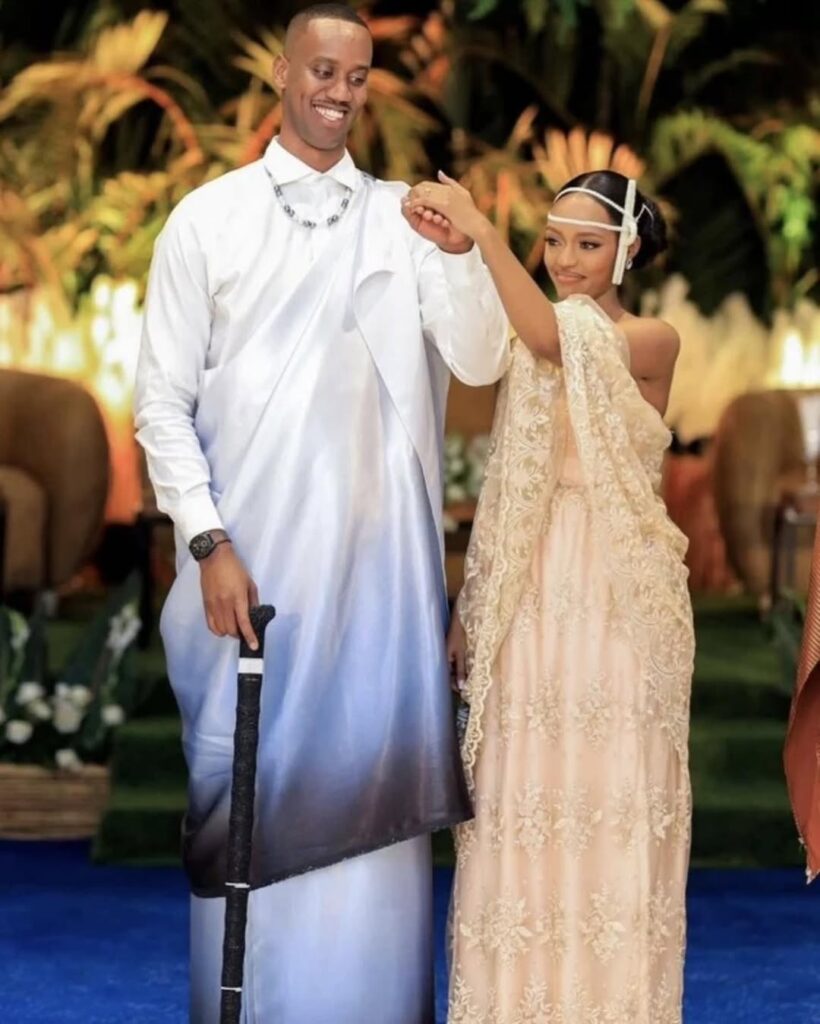
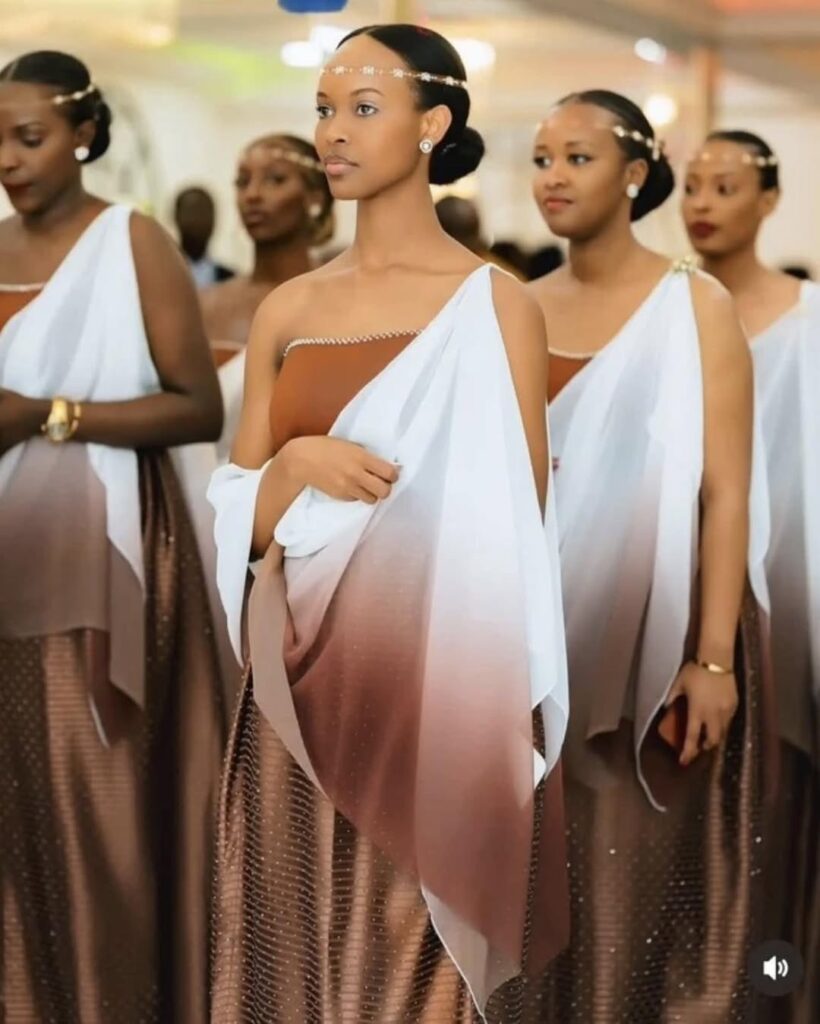
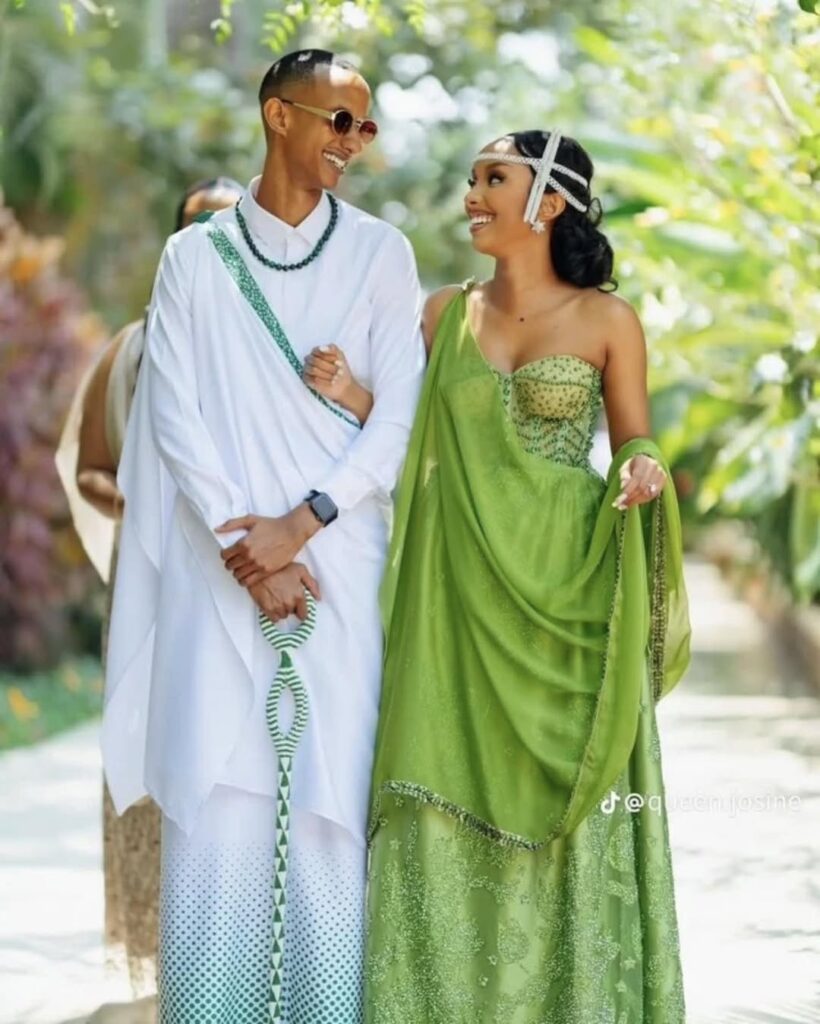
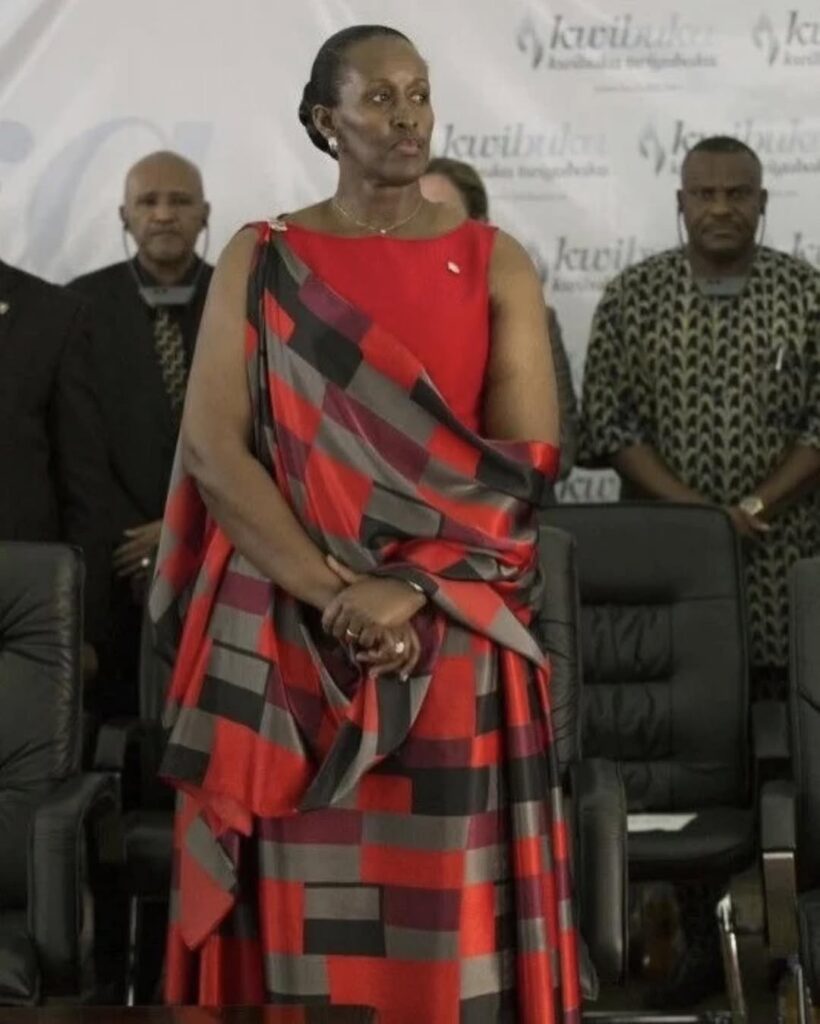

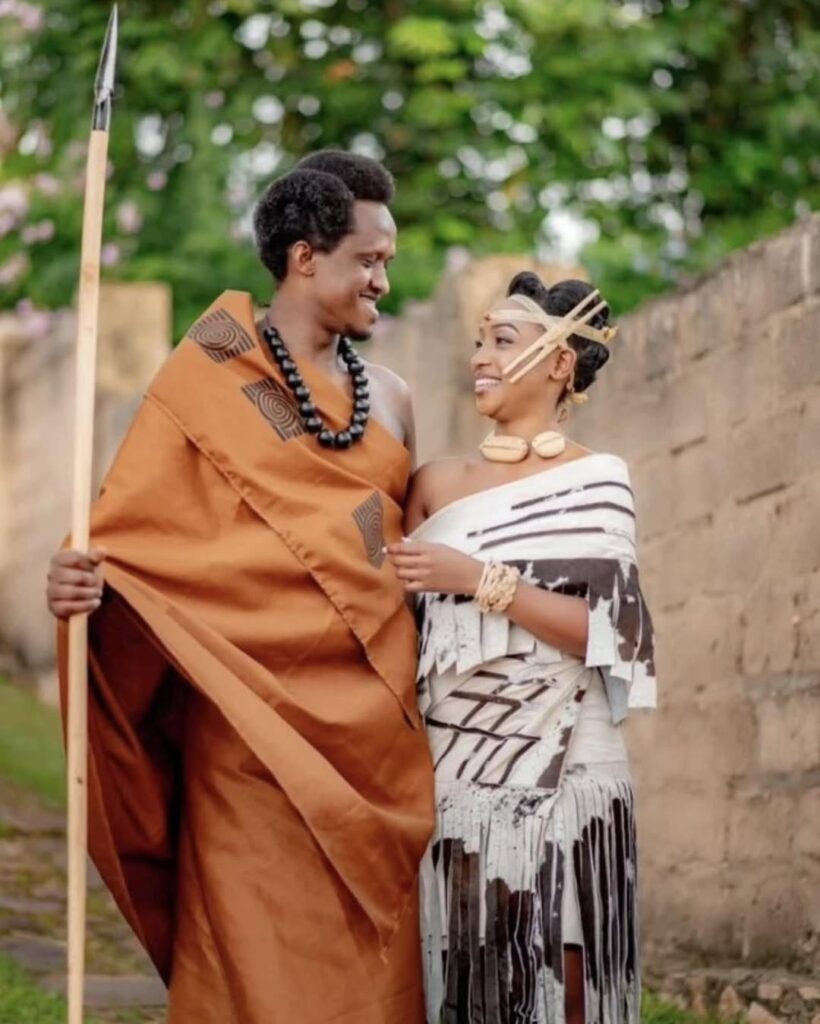
Rwanda didn’t just ban secondhand clothing — it rewired its fashion future.
By restricting imported used garments, the country made a deliberate shift toward economic self-determination, protecting local designers, tailors, and textile producers long overshadowed by foreign surplus. What followed was renewed investment in homegrown fashion, skills development, and a stronger manufacturing ecosystem rooted in cultural pride.
This wasn’t about clothes alone. It was about ownership, identity, and building an industry that serves the people who wear it.
Source: @tranziehq