For generations, many people were taught that literacy and written knowledge arrived in Africa through European colonization. History tells a far more complex story.
Long before the colonial era, African civilizations had developed and used diverse systems for recording, preserving and communicating knowledge.
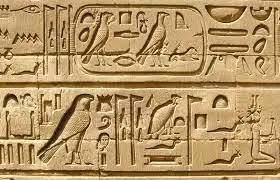
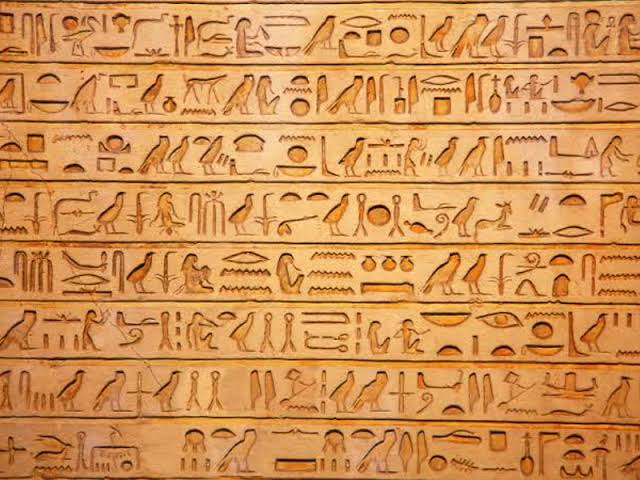
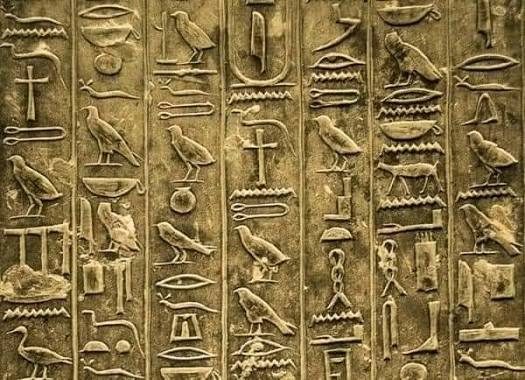
Ancient Egypt’s hieroglyphic writing dates back more than 5,000 years. In the Horn of Africa, the Ge’ez script became an important part of Ethiopian and Eritrean literary and religious traditions. In parts of present-day Nigeria and Cameroon, Nsibidi was used as a sophisticated system of symbols and communication long before European rule.
Meanwhile, Timbuktu emerged as one of Africa’s great centers of learning. During its intellectual golden age, the city was home to scholars, schools and a thriving trade in manuscripts, preserving knowledge across subjects including religion, law and other fields of study.
Africa’s intellectual history was never a blank page waiting to be written by someone else.
It was already being recorded, studied, spoken, preserved and passed from one generation to the next, through both written and oral traditions.
Source: @africa