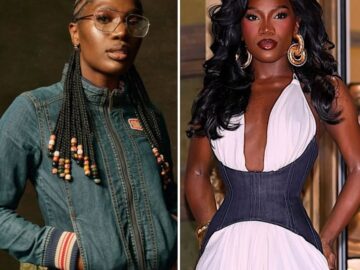
“For generations, hair in many African societies has represented far more than beauty. It has been a powerful expression of cultural identity, creativity, spirituality, and social belonging.
From intricate braids and sculpted hairstyles to elaborate adornments, traditional African hair practices have carried meanings that extend beyond appearance. Depending on the community, hairstyles could communicate age, marital status, social standing, or cultural affiliation.
But history also tells another story.
Under slavery and colonial influence, African hair traditions were often misunderstood, devalued, and suppressed. Enslaved Africans had their heads forcibly shaved, while later generations faced pressure to conform to Eurocentric beauty standards. These attitudes helped fuel discrimination against natural Black hair that continues in some spaces today.
Yet African hair culture has endured. Braids, twists, locs, coils, and other traditional styles remain powerful expressions of creativity, pride, and connection to ancestry.
Our hair is not something to hide to be accepted. It is part of a rich cultural legacy that deserves to be understood, celebrated, and respected.
Learning the history behind African hair means recognizing the people, traditions, and stories woven into every strand.
Because sometimes, reclaiming our heritage begins with embracing what we were once taught to change.
📚 Historical context: Smithsonian National Museum of African American History and Culture; British Museum.”