Did You Know Your Business, Social Media Presence, and Family Legacy Could Be at Risk Without the Right Legal Protection?
Attorney Lerae Funderburg Shares What Every Entrepreneur, Creator, and Family Should Know
In today’s digital economy, building a business is easier than ever, but protecting it is another story. From trademarks and copyrights to social media ownership and estate planning, many entrepreneurs and families unknowingly leave themselves vulnerable to costly mistakes.
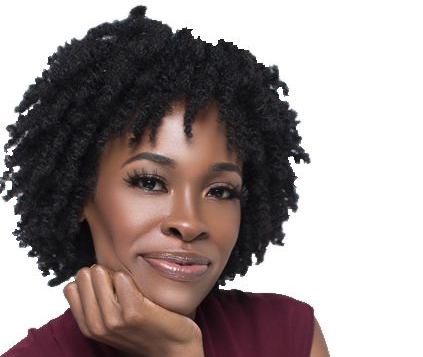
Attorney Lerae Funderburg, founder of Funderburg Law, has dedicated her career to helping entrepreneurs, creators, and families protect what they work so hard to build. Through business law, intellectual property protection, digital brand strategy, and estate planning, she helps clients move beyond simply creating wealth and toward preserving it for future generations.
In this exclusive interview, Funderburg discusses the most common legal mistakes business owners make, why social media followers do not equal ownership, and how families can protect their assets and legacy through thoughtful planning.
Meet the Attorney Behind the Mission
1. Please introduce yourself to our readers. Who is Lerae Funderburg, and what inspired you to pursue a career in law?
I’m Lerae Funderburg, attorney, entrepreneur, mother, and founder of Funderburg Law. At my core, I help people protect what they are building so that their creativity, wealth, and legacy outlive them. My journey into law started with a deep desire to create access and empowerment. I’ve always been someone who saw the bigger picture, not just solving problems in the moment but creating structures that allow people to thrive long term. Over the years, my work evolved from serving celebrities and entertainment professionals in music and film, into serving entrepreneurs, creatives, families, and globally mobile professionals because I realized something – many people work incredibly hard to build businesses, brands, and wealth but never put the legal protection in place to preserve it. For me, law is not just documents and compliance. It’s stewardship.
2. Tell us about Funderburg Law and the mission behind your firm.
Funderburg Law is a modern business and legacy law firm focused on helping entrepreneurs and families create, protect, and preserve what matters most. Our motto is “Create the Business. Protect the Brand. Build the Legacy.” We provide services including business formation, contract drafting and negotiation, trademarks, copyrights, estate planning, and strategic legal guidance. Our mission is simple. Help clients move from survival to ownership. I want clients to feel empowered, not intimidated, by legal protection.
3. What drew you to trademarks, copyrights, business law, and estate planning?
I love helping people move from idea to ownership. Business law protects the vehicle. Intellectual property protects the value. Estate planning protects the transfer. Together, they create a complete ecosystem for wealth building. Too often, people focus only on making money and forget to secure the foundation underneath it.
You Registered Your Business Name… But Do You Actually Own It?
4. Why is it important for entrepreneurs to legally protect their brand from the beginning?
Because visibility without protection creates vulnerability. Your business name, content, logo, systems, reputation, and audience are assets. If you wait until success arrives, you may find someone else already owns what you built. Protection early creates leverage later.
5. What are the most common trademark and copyright mistakes you see business owners and creators make?
The biggest mistakes I see are (1) Assuming LLC registration equals trademark ownership; (2) Waiting until revenue grows before filing; (3) Using content found online without permission; (4) Not using contracts; (5) Building exclusively on social media platforms; (6) Failing to document ownership among partners or collaborators.

6. What is the difference between using a business name and legally owning it through a trademark?
Using a name creates limited rights. Owning a trademark creates enforceable rights. A trademark gives you legal tools to stop others from creating confusion and strengthens your ability to expand, license, sell, and protect your business. Using a name says “I’m here,” while owning a trademark says “This belongs to me.”
7. For creators building brands online, what steps should they take to protect their intellectual property?
- Secure your business entity.
- Register your trademarks early.
- Copyright original content where appropriate.
- Use contracts – not just with customers/clients, but those who perform services for you, especially where they are creating on your behalf.
- Maintain ownership of accounts and passwords.
- Preserve evidence of creation and use.
- Create clear licensing terms.
- Have a Privacy Policy, Terms of Use, Disclaimer (if applicable) on your website.
Treat content like inventory.
8. What legal issues are most urgent for small business owners and families today?
So many, but I would say for business owners – Intellectual property, Contracts, Digital ownership, Privacy, Succession planning – this is a big one and often overlooked. For families – Estate planning, Incapacity planning and Asset protection.
9. If you could give every entrepreneur one piece of legal advice, what would it be?
Most entrepreneurs wait until they become successful to think about legal protection, but growth is often when risk increases the fastest. I’ve seen people spend years building a brand, gaining visibility, creating content, signing deals, and generating revenue only to realize too late that they never secured ownership of the very thing they created.
Your legal foundation should not be an afterthought.
Before you pour money into marketing, ask yourself:
Do I actually own my brand?
Is my business structured correctly?
Are my contracts protecting me?
Who owns the content being created?
What happens if a partnership ends?
What happens if I become unavailable tomorrow?
Too often, entrepreneurs focus entirely on making money and overlook protecting the systems that generate the money.
Legal protection isn’t about operating from fear. It’s about creating freedom. When your business is properly structured, your contracts are clear, your intellectual property is protected, and your long-term plans are documented, you stop operating from reaction and start making decisions from a place of confidence.
The entrepreneurs who build lasting wealth understand something important. Revenue creates income. Ownership creates wealth. And protection creates legacy.
My advice: Don’t wait until someone copies you, disputes ownership, refuses to pay, or something goes wrong to take legal seriously. Build with protection in mind from day one. Because creating the business is only the beginning. Protecting it is how you keep it.
What Would You Do If Your Instagram, Facebook, or TikTok Page Disappeared Tomorrow?
10. What legal protections should entrepreneurs have for social media businesses?

At a minimum they should have trademark protection, terms and policies, contracts, copyright strategy, backup systems, email ownership, business entity separation. The underlying premise is to never build solely on rented land.
11. What is the difference between having a social media presence and legally owning your digital brand?
Presence creates attention. Ownership creates control. Your audience is valuable, but your intellectual property is the asset.
One of the biggest misconceptions in modern business is believing that visibility equals ownership. It doesn’t. You can have 500 followers or 5 million followers and still not legally own the business you built online.
Having a social media presence simply means people know you. Legally owning your digital brand means you have rights, control, and protection around the assets that create that visibility.
A social media account is ultimately a profile on someone else’s platform. Your followers, reach, and visibility can change overnight because platform rules, algorithms, outages, account suspensions, hacking, or impersonation are outside your control.
Ownership requires infrastructure beyond the platform. That typically includes trademark protection, intellectual property ownership, business structure, direct audience ownership (outside of the social media platform), contracts and permissions, and digital continuity and legacy planning.
12. What should someone do if their page is hacked, taken down, or falsely reported?
Act quickly and preserve evidence. Contact platform support. Document ownership. Secure email access. Evaluate legal claims. Depending on the circumstances, contact any relevant parties. Recovery definitely gets harder with time.
13. What rights do people have if their name, image, likeness, or content is used without permission?
Most people assume that once something is posted online, it becomes public property, but that is rarely true. Your rights depend on what was taken, how it was used, and whether it created confusion, financial harm, or unauthorized commercial benefit.
Several areas of law may come into play. Depending on circumstances, they may have rights involving copyright, trademarks, rights of publicity, defamation claims, contract enforcement… Documentation matters.
14. How can entrepreneurs protect themselves from impersonation or fake accounts?
It’s a challenge, but you can register trademarks. Verify where available. Monitor usage. Secure handles. Preserve evidence. Create reporting procedures. AI makes this even more important.
Think Estate Planning Is Only for Wealthy Families? Think Again.
15. Why is estate planning important for all families, not just wealthy ones?
Estate planning isn’t about dying rich. It’s about making difficult moments easier for the people you love. Every family has something to protect. Children. Decision-making authority. Homes. Businesses. Savings. Values. Estate planning creates clarity.
16. What are the biggest misconceptions about wills, trusts, and estate planning?
- “I’m too young.”
- “I don’t have enough assets.”
- “A will avoids probate.”
Many people are surprised to learn a trust often provides additional privacy and administrative advantages depending on goals. Estate planning is really life planning.
17. How does estate planning help build and preserve generational wealth?
Generational wealth is not simply accumulation. It’s transfer. Without planning, assets can become delayed, disputed, diminished, or lost. Estate planning protects continuity.
18. Can you share an example of how legal planning helped protect a business or family legacy?
I’ve worked with clients who built successful businesses but never separated ownership, intellectual property, and succession. Through proper planning, we created structures that allowed their businesses to continue operating and their families to remain protected if something unexpected happened. That peace of mind is priceless.
I had an elderly client a few years back who we had to go through extensive probate processes to transfer heir properties in his name because his parents and grandparents had all died intestate and even though legally the properties transferred to him, there were no title or transfer documents evidencing ownership and he was determined to ensure the properties were his so that he could distribute them to his children through the estate plan we were drafting. He came in one day to sign off on his will and trust and a week later his daughter called me and told me he’d suddenly passed away. We completed everything just in time for his wishes to come true.
19. If you could give every family one piece of advice about protecting their future and legacy, what would it be?
Do not leave your family with questions you can answer today. Legacy is built intentionally.
Creating the Business Is Only the Beginning—Protecting It Is How You Keep It
20. For readers ready to protect their business, intellectual property, or digital identity, what services does Funderburg Law currently offer?
At Funderburg Law, we help clients form and structure businesses, review, draft and negotiate contracts, register and maintain trademarks and copyrights, protect online brands, build estate plans and trusts, and create long-term legal strategy overall. Whether you’re launching your first offer, growing your platform, or building something your children will inherit, we meet clients where they are and help them protect what comes next.
The best time to begin is before there’s a problem.
Success isn’t measured solely by what you create—it’s measured by what you’re able to protect, preserve, and pass on.
Through business formation, contract strategy, trademark and copyright protection, digital brand protection, estate planning, trusts, and long-term legacy planning, Attorney Lerae Funderburg helps entrepreneurs, creators, and families transform hard work into lasting ownership.
Whether you’re building your first business, scaling your online presence, protecting valuable intellectual property, or creating a roadmap for future generations, Funderburg Law provides the legal guidance needed to help safeguard what’s next.
Create the Business. Protect the Brand. Build the Legacy.
For more information about Funderburg Law and its services, or to schedule a consultation, visit https://www.leraefunderburg.com
IG: @Lerae_irl and @leraedoingtheleast